Sunalite is reader-supported. As an Amazon Associate I earn from qualifying purchases. This post contains affiliate links. Learn more.
Plug-in solar, also called balcony solar, is the easiest way to make your own electricity. There’s no roof work, no contractor and, in states that have legalized it, no permit or interconnection paperwork. You mount a panel or two on a balcony railing, patio or fence, plug it into an outlet, and your meter starts spinning a little slower.
It’s wildly popular in Europe, especially Germany, where millions of households have installed small kits. In the U.S., the idea took off in 2025 and 2026 as state after state passed laws to allow it. Here’s a plain-English guide to how it works, what it can realistically save, how to stay safe, and what to do if it isn’t legal where you live yet.
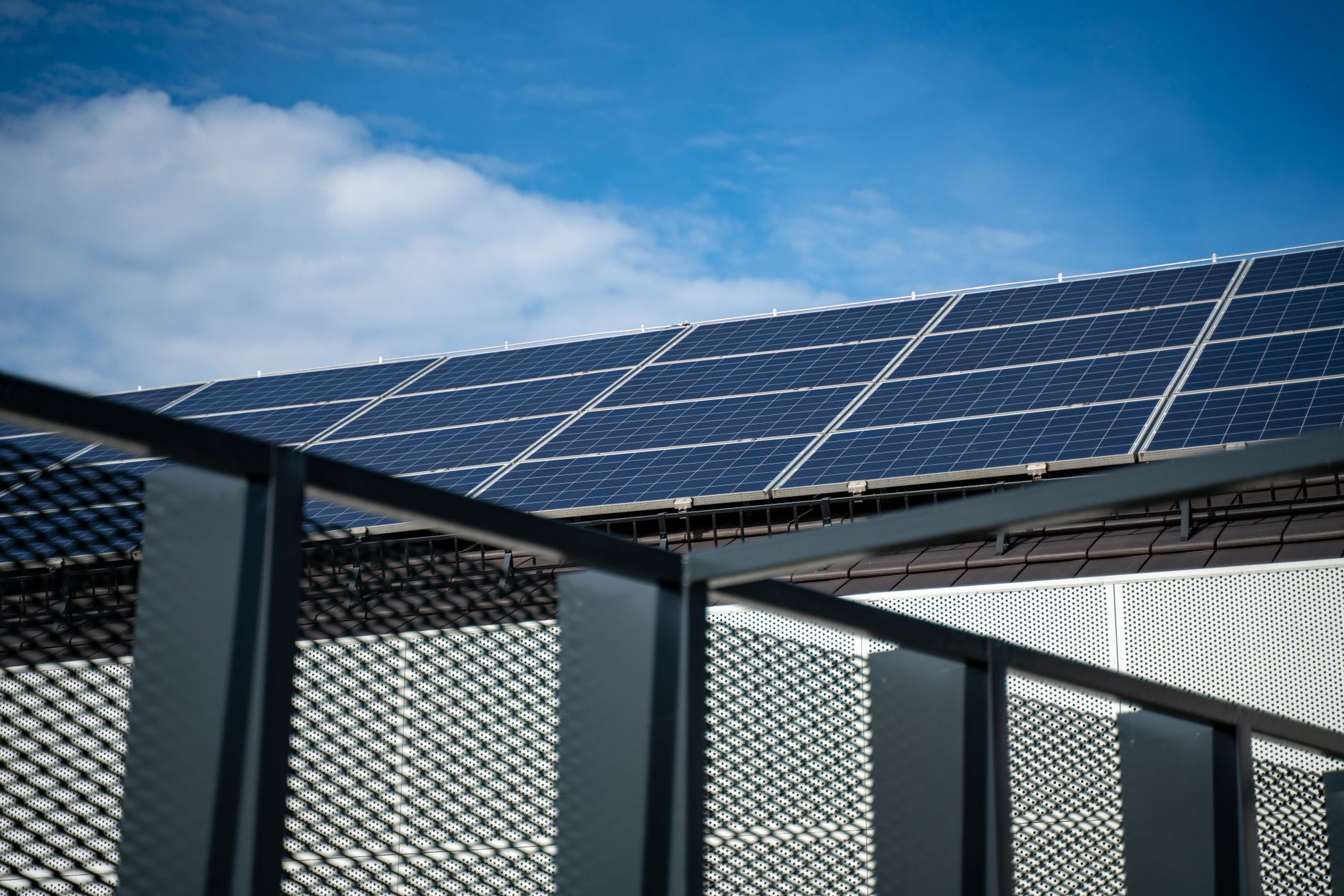
Table of Contents
How Plug-In Solar Works
- Panels (typically 400–1,200W total) mount on a balcony railing, patio, fence, deck or yard.
- A microinverter converts the panels’ DC electricity into household AC power that matches the grid’s voltage and frequency.
- You plug the microinverter into an outlet. Power flows into your home’s circuits and is used by whatever is running at that moment: the fridge, router, TV, computer.
- Because you’re buying less from the utility, your bill goes down.
Some newer kits add a small battery so you can store midday sun for evening use, which helps because most homes use more power after dark.
Plug-In Solar vs. Rooftop Solar
| Plug-in solar | Rooftop solar | |
|---|---|---|
| Typical size | 400–1,200W | 5–12kW |
| Installation | DIY, under an hour | Professional, permits, inspection |
| Typical cost | $500–$1,500 | $15,000–$35,000+ |
| Share of a typical bill covered | ~5–15% | ~60–100% |
| Renter-friendly | Yes, it moves with you | No |
| Works in an outage | No (unless paired with a battery built for backup) | Only with a battery system |
Think of plug-in solar as a starter step. It won’t replace rooftop panels, but it lets renters and cautious homeowners start making their own power for a few hundred dollars.
Safety Features That Make It Work
The biggest safety concern with plug-in solar is backfeeding: sending power onto utility lines during an outage while crews are making repairs. Certified microinverters solve this with anti-islanding protection. If they don’t detect a live grid, they shut off within a fraction of a second.
That also means a grid-tied plug-in kit won’t power your home during an outage, by design. For outage backup you need a battery-based setup (more on that below).
Other safety basics:
- Use certified equipment. UL introduced UL 3700, a dedicated standard for plug-in solar equipment, in January 2026. Look for it.
- Plug directly into a wall outlet. Never use an extension cord or power strip with a grid-tied kit.
- Respect size limits. Many state laws cap systems at 1,200W.
- Use a sound circuit. Avoid outlets on circuits already loaded with high-wattage appliances, and use a properly grounded outdoor outlet with a weatherproof cover.
- Mount for wind. Use railing mounts rated for wind loads, especially on upper floors.
What Does Plug-In Solar Really Save?
Let’s do honest math for an 800W kit in the Chicago area:
- Northern Illinois averages roughly 4 peak sun hours a day over a year: less than 2 in December, around 5–6 in June.
- 800W × 4 hours × 365 days × ~0.8 (real-world losses from heat, angle and shading) ≈ 930 kWh per year
- At about 17–20¢ per kWh, that’s roughly $160–$190 a year, if you use all of it at home.
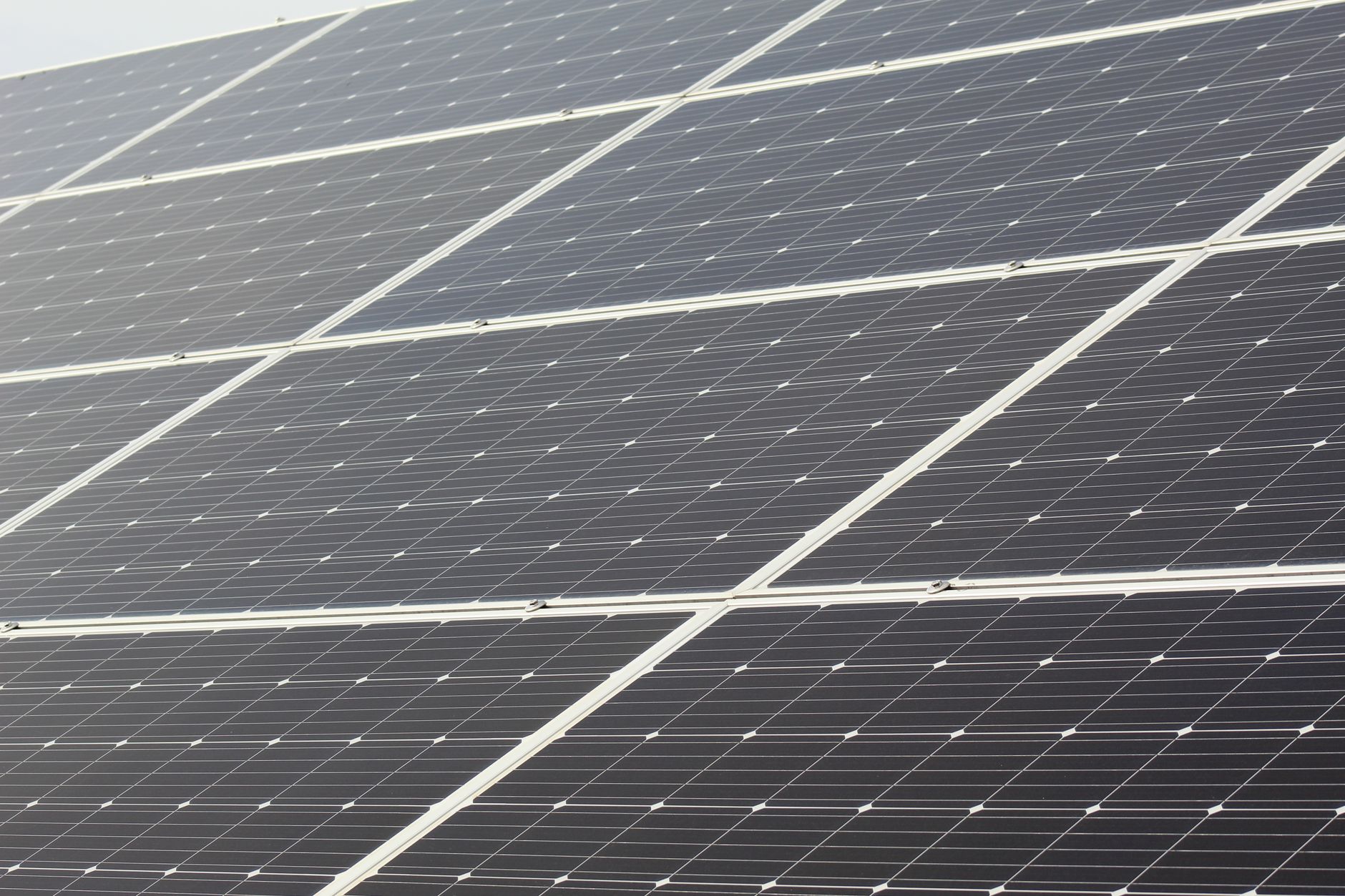
Now the caveats. A north- or east-facing balcony, heavy shade from trees or neighboring buildings, or a vertical railing mount can cut production in half. A south-facing, angled yard mount does better. With kits typically costing $500–$1,500, payback usually runs 4–10 years, and panels typically last 25 years.
Is Plug-In Solar Legal Where You Live?
That depends on your state. As of fall 2026, Utah, Maine, Virginia, Colorado, Maryland, New Hampshire, Connecticut, Vermont and New Jersey have passed plug-in solar laws, and California followed in September 2026. Dozens more states have considered bills.
In states without a law, a system that feeds your home’s wiring generally needs a utility interconnection agreement, the same process used for rooftop solar. Illinois is in that group for now. We track its status in is balcony solar legal in Illinois.
How to Choose a Plug-In Solar Kit
- Certification: UL 3700 for the kit, or at minimum UL-listed microinverters with anti-islanding protection.
- Size: match your base load. Most homes’ always-on load is roughly 100–300W, so 400–800W of panels covers it most of the day.
- Mounting: balcony railing hooks, ground stands or wall brackets. Make sure they fit your railing and are rated for wind.
- Monitoring: an app showing daily production helps you track savings and spot problems.
- Battery option: a small battery shifts afternoon production into the evening.
- Warranty: look for 10+ years on microinverters and 20–25 years on panel output.
The Off-Grid Alternative: Panel + Power Station
If plug-in solar isn’t legal where you live yet, or you want outage backup, there’s another route. Connect a portable solar panel to a portable power station and plug devices directly into the battery. It never touches your home’s wiring, so there are no interconnection rules, and it keeps working during blackouts.
| Grid-tied plug-in kit | Panel + power station | |
|---|---|---|
| Lowers your bill automatically | Yes | Only for what you plug into it |
| Works during an outage | No | Yes |
| Needs a state law or interconnection | Yes | No |
| Portable, renter-friendly | Mostly | Yes |
| Typical cost | $500–$1,500 | $700–$1,800 |
Foldable 200W solar panel
Sets up in seconds on a balcony, deck or yard and plugs into most major power stations. Packs flat for storms and winter.
Anker SOLIX C1000 Gen 2
- 1,024Wh LFP battery with 2,000W output
- Solar input for daytime recharging
- Doubles as outage backup
Jackery Explorer 1000 v2
- 1,070Wh LFP battery, 1,500W output
- Pairs with Jackery SolarSaga panels
- Light and simple
Who Plug-In Solar Is Best For
- Renters and condo owners who can’t put panels on a roof
- Homeowners who want to start small before committing to rooftop solar (see is solar worth it in Illinois)
- Anyone with a sunny, south- or west-facing balcony, patio or yard and steady daytime power use
- People who move often, since the kit comes with you
Frequently Asked Questions
Can plug-in solar power my home during a blackout?
No. Grid-tied kits shut off when the grid goes down to protect line workers. For outage power, use a battery-based setup such as a power station with solar input.
Do I need an electrician?
In states that have legalized plug-in solar, certified kits are designed for DIY setup on an existing outlet. If your outlet is old, ungrounded or on an overloaded circuit, have an electrician check it first.
Will my utility know?
Most plug-in solar laws require you to notify your utility, even though approval isn’t needed. Your meter may also register the reduced usage.
How long do the panels last?
Quality solar panels typically keep producing for 25 years or more, with gradual output loss over time. Microinverters often carry 10–25 year warranties.
The Bottom Line
Plug-in solar won’t zero out your bill, but a well-placed 800W kit can trim $150 or more a year with almost no hassle where it’s legal. Where it isn’t legal yet, a solar panel plus power station delivers many of the same benefits and adds outage protection.