Sunalite is reader-supported. As an Amazon Associate I earn from qualifying purchases. This post contains affiliate links. Learn more.
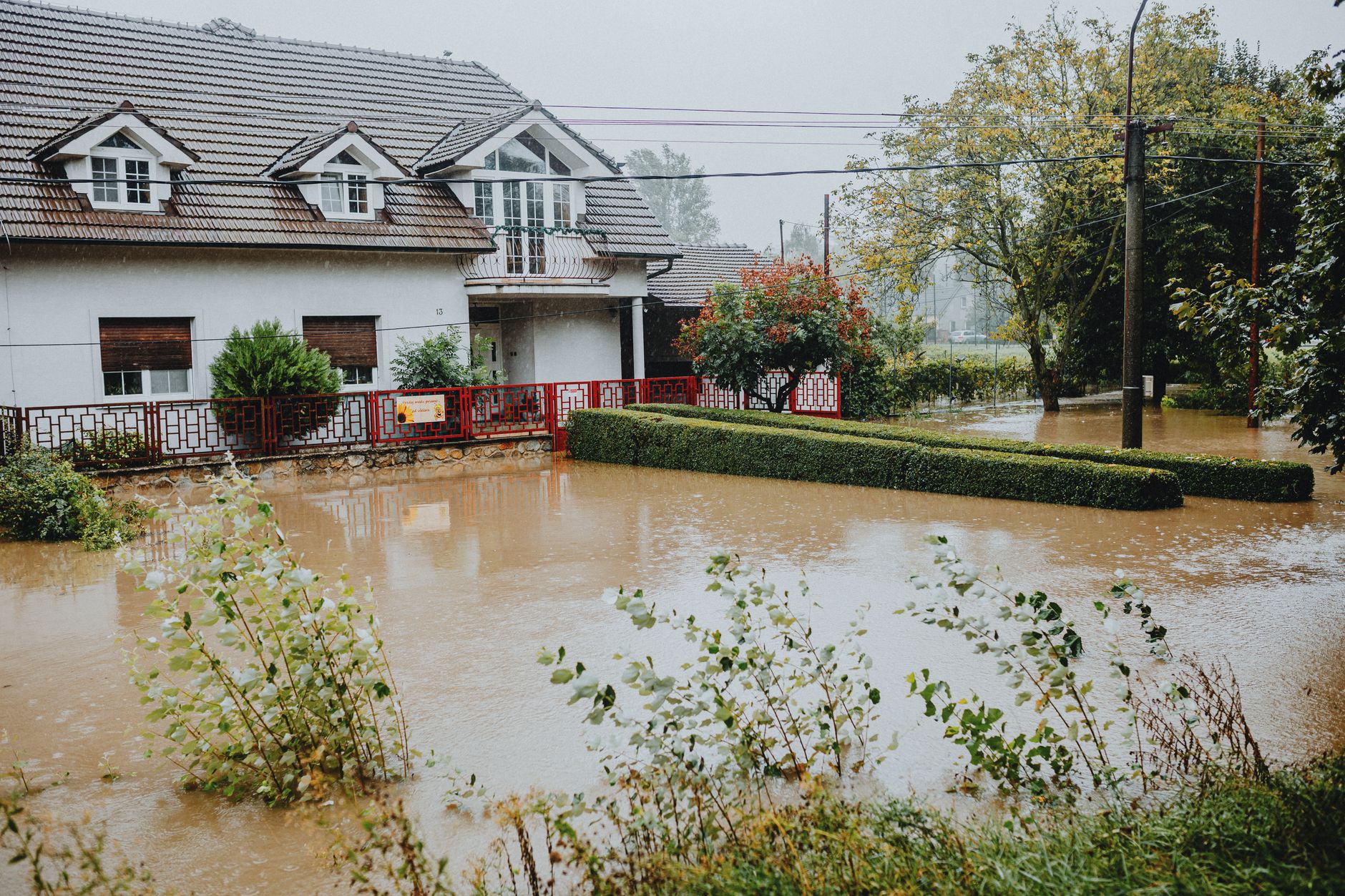
In much of the Midwest, the scariest part of a summer storm isn’t the dark. It’s the basement. Heavy rain is exactly when the power is most likely to go out, and the moment it does, the sump pump stops. With a high water table, a finished basement can flood in a few hours, turning a power outage into thousands of dollars of damage.
A portable power station can keep your sump pump running, if you size it correctly and test it ahead of time. Here’s how much power sump pumps actually need, how long a power station will last, how it compares to a dedicated backup pump, and the layered setup we’d recommend for flood-prone homes.
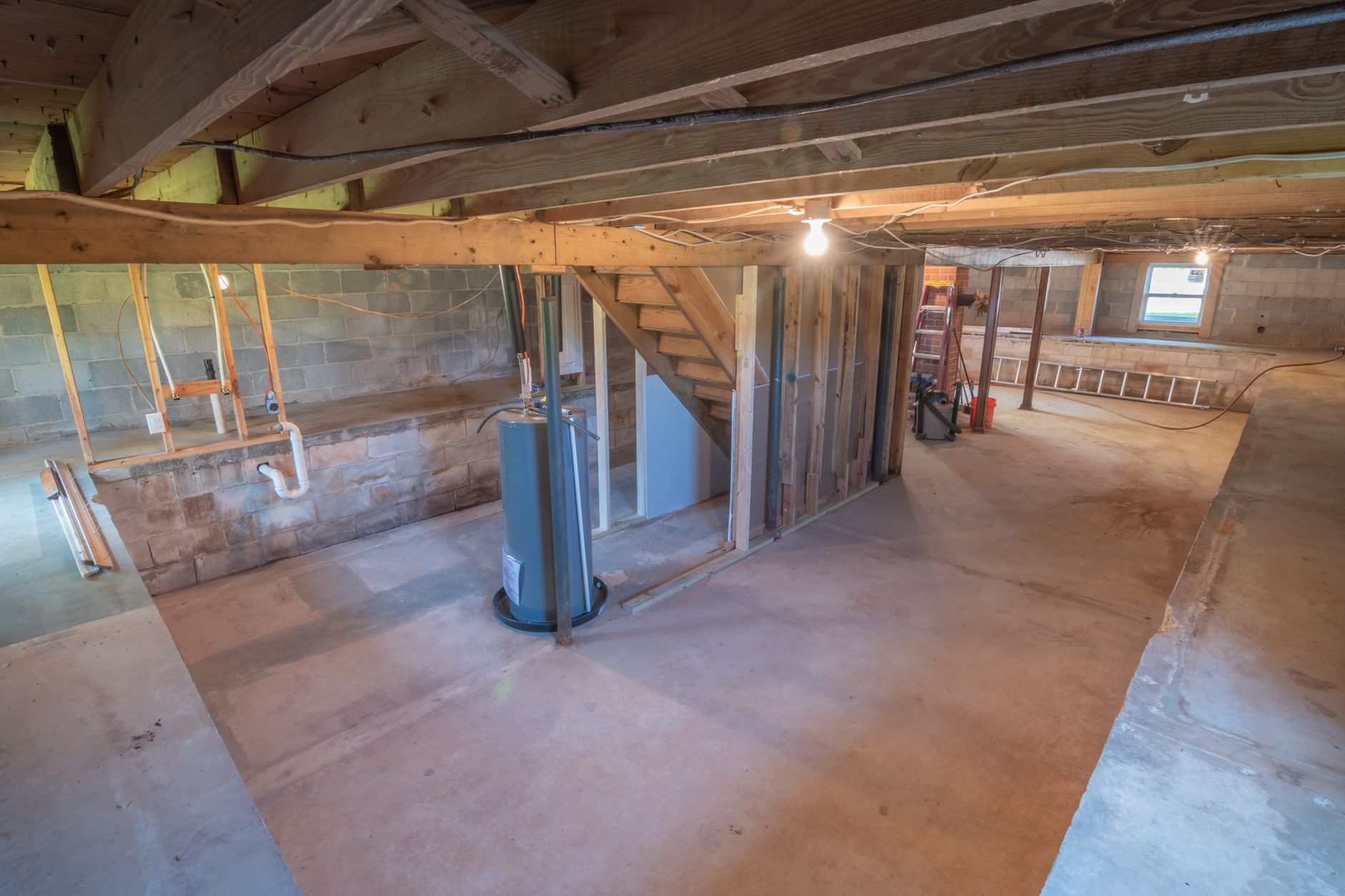
Table of Contents
How Much Power Does a Sump Pump Need?
Sump pumps are rated by horsepower. Most homes have a 1/3 HP or 1/2 HP submersible pump. Here’s what they typically draw:
| Pump size | Running watts | Startup surge | Minimum power station |
|---|---|---|---|
| 1/4 HP | ~400–600W | ~1,000–1,500W | 1,200W continuous / 2,400W surge |
| 1/3 HP (most common) | ~700–900W | ~1,500–2,200W | 1,800W continuous / 3,000W+ surge |
| 1/2 HP | ~900–1,100W | ~2,000–2,800W | 2,400W continuous / 4,000W+ surge |
| 3/4 HP+ | ~1,200–1,600W | ~3,000W+ | 3,000W+ continuous, often 240V-capable units |
The surge is the deal-breaker. A pump motor pulls two to three times its running watts for a moment at startup. If the power station can’t deliver that burst, it shuts off, and your pump doesn’t pump. Check your pump’s label for horsepower and amps (multiply amps by 120 to estimate running watts).
How Long Will a Power Station Run a Sump Pump?
Sump pumps cycle on and off as the pit fills. How often depends on the storm, your soil and your water table. In a light rain, a pump might run a few seconds every half hour. In a downpour with saturated ground, it might run almost constantly.
Here’s how an 800W pump fares on different power stations, assuming about 15% inverter loss:
| Pump duty cycle | Average draw | 1,000Wh station | 2,000Wh station | 4,000Wh station |
|---|---|---|---|---|
| Light rain (10% of the time) | ~80W | ~10–11 hours | ~21 hours | ~42 hours |
| Moderate storm (20%) | ~160W | ~5 hours | ~10–11 hours | ~21 hours |
| Heavy storm (50%) | ~400W | ~2 hours | ~4 hours | ~8–9 hours |
That last row is the scary one, and it’s the reason many homeowners pair a power station with solar panels, an expansion battery or a dedicated backup pump. Run your own numbers with our sizing guide.
Power Station vs. Battery Backup Sump Pump
A dedicated battery backup sump pump is a second pump installed in the same pit, slightly higher than the primary, with its own float switch and a deep-cycle battery. When the water rises past the primary’s normal level, whether because the power is out or the main pump failed, the backup kicks on automatically.
| Battery backup sump pump | Portable power station | |
|---|---|---|
| Kicks in automatically | Yes, its own float switch | Only if the pump stays plugged into it in UPS mode |
| Covers a failed primary pump | Yes | No, it only powers the same pump |
| Other uses | None | Fridge, Wi-Fi, lights, camping |
| Typical cost | $250–$600 plus installation | $700–$2,000 |
| Maintenance | Battery replacement every 3–5 years (lead-acid) | LFP batteries last many years; keep it charged |
| Pumping capacity | Usually lower than the primary | Runs your full-strength primary pump |
The Layered Setup We Recommend
- A quality primary pump, ideally cast iron, sized for your pit. Replace it every 7–10 years.
- A battery backup pump with its own float, for automatic protection against both outages and pump failure.
- A high-water alarm, so you know when water is rising. Wi-Fi models text your phone.
- A power station with enough surge for your primary pump, kept charged in the basement, off the floor.
- A solar panel or generator plan for outages longer than a day.
Sump pit water alarm
A battery-powered alarm in the pit (or a Wi-Fi model that alerts your phone) warns you before water reaches the floor, whether the cause is an outage or a failed pump.
How to Set It Up
- Check your pump’s horsepower and amps on its label or in the manual.
- Test before storm season. With the station fully charged, unplug the pump from the wall, plug it into the station, and pour a bucket of water into the pit. Confirm it starts and pumps without tripping the unit. Try it twice in a row.
- Decide on UPS mode or manual switching. Some power stations can sit between the wall and the pump and switch over automatically when the power drops. Make sure the switchover is fast and the maker supports continuous pass-through. If not, you’ll need to swap the plug by hand when the power goes out, which isn’t ideal at 3 a.m.
- Use a proper cord. If the station can’t sit right next to the pit, use a short 12- or 14-gauge extension cord rated for the load.
- Keep it charged and off the floor. A shelf near the pit is ideal. A power station sitting in a puddle helps no one.
- Never run a gas generator indoors or in an attached garage, even “just for the sump pump.” Carbon monoxide kills.
Best Power Stations for Sump Pumps
EcoFlow DELTA 3 Plus
- 1,800W continuous with high surge
- Fast automatic switchover
- Expandable for long storms
Bluetti Elite 200 V2
- About 2kWh capacity
- Higher output for 1/2 HP pumps
- LFP battery
Battery backup sump pump system
- Second pump with its own float switch
- Runs automatically when the primary can’t
- The most reliable flood insurance
For heavier pumps, consider a 120/240V-capable system like those in our best power stations for home backup list.
Other Ways to Reduce Flood Risk
- Extend downspouts at least 4–6 feet from the foundation with downspout extensions.
- Grade soil away from the house so water drains away from the foundation.
- Clean gutters in spring and fall.
- Check the check valve on the discharge pipe so water doesn’t flow back into the pit.
- Keep the discharge line clear, especially in winter when the outlet can freeze.
- Raise valuables onto shelves or plastic bins in the basement.

Frequently Asked Questions
Will a 1,000W power station run a sump pump?
Usually not reliably. A 1/3 HP pump can surge past 2,000W at startup, which would trip a 1,000W inverter. Look for 1,800W+ continuous output with a 3,000W+ surge.
Can I use a power station and a backup pump together?
Yes, and it’s the best setup. The backup pump handles automatic protection and primary pump failure, while the power station keeps your full-strength primary pump running through long outages.
How do I know if my power station can handle my pump?
Test it. Plug the pump into the charged station and fill the pit with a bucket of water. If it starts and runs through several cycles without the station shutting down, you’re good.
What about a water-powered backup pump?
Water-powered backups use municipal water pressure to pump out the pit, with no electricity needed. They’re very reliable where allowed and where water pressure is strong, but they use a lot of water and need a plumber to install.
The Bottom Line
A power station with at least 1,800W of continuous output and a 3,000W+ surge can run most 1/3 HP sump pumps, but test it before storm season and size the battery for the worst storm, not the average one. If flooding is a real risk, pair it with a dedicated battery backup pump and a high-water alarm.