Sunalite is reader-supported. As an Amazon Associate I earn from qualifying purchases. This post contains affiliate links. Learn more.
The “best” power station for home backup depends entirely on what you need to keep running and for how long. A renter who wants Wi-Fi and lights has completely different needs than a homeowner with a sump pump, a chest freezer and a gas furnace.
Below are our picks by category, chosen on the specs that matter most in a real outage: LFP battery chemistry, enough output and surge for fridges and pumps, expandability, solar input and UPS-style switchover. We also cover how to choose and how to connect a power station to your home safely. Not sure what size you need? Start with our sizing guide.
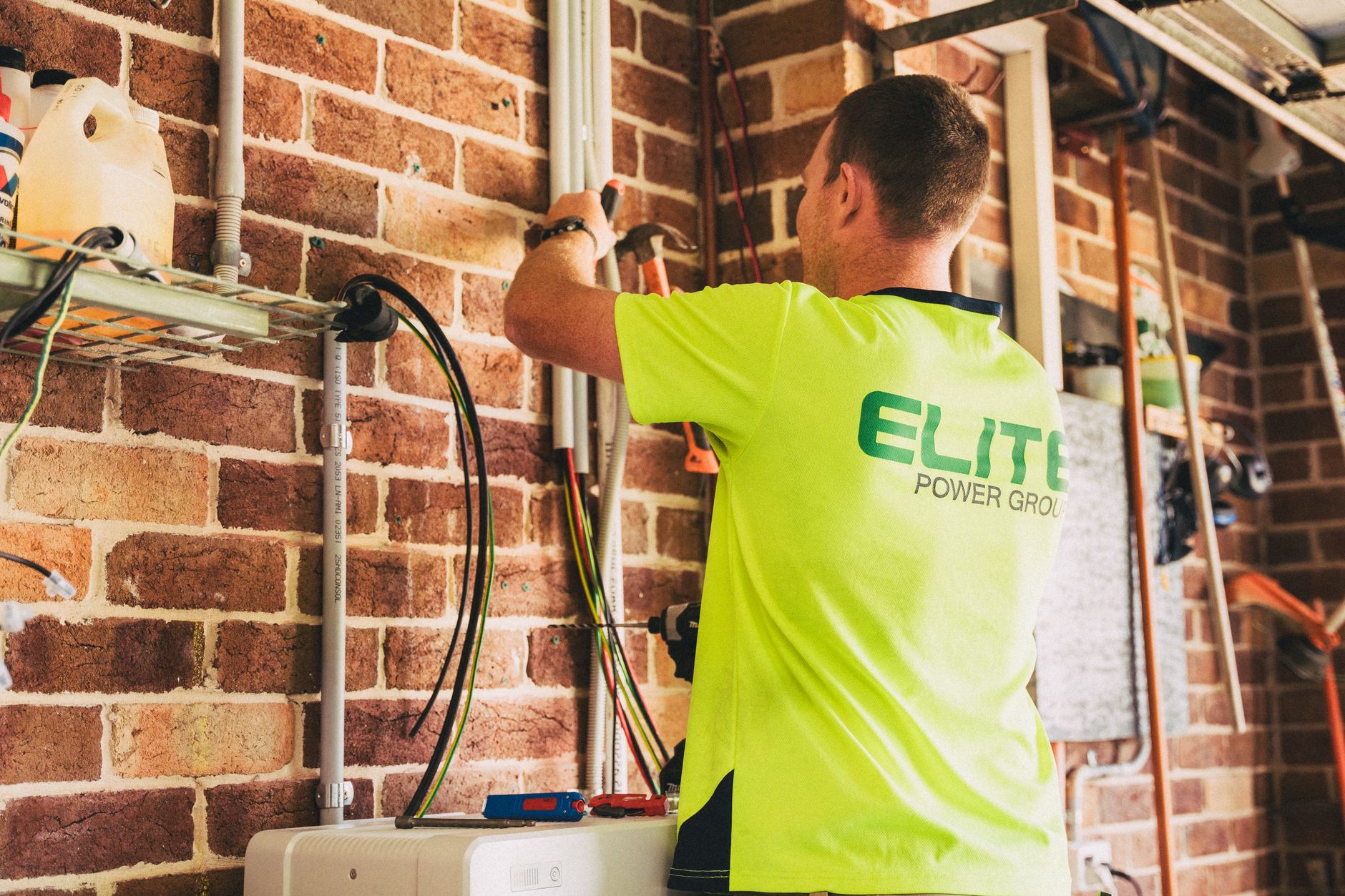
Table of Contents
Our Picks at a Glance
| Category | Pick | Capacity / output | Best for |
|---|---|---|---|
| Best overall (~1kWh) | EcoFlow DELTA 3 Plus | 1,024Wh / 1,800W | Fridge, Wi-Fi, lights |
| Best power per dollar | Anker SOLIX C1000 Gen 2 | 1,024Wh / 2,000W | Heavier loads on a budget |
| Easiest to use | Jackery Explorer 1000 v2 | 1,070Wh / 1,500W | Families, camping |
| Best ~2kWh | Bluetti Elite 200 V2 | ~2kWh | Day-long outages, sump pumps |
| Best for home circuits | EcoFlow DELTA Pro 3 | 4,096Wh / 4,000W, 120/240V | Transfer-switch backup |
| Most output | Anker SOLIX F3800 Plus | 3,840Wh / 6,000W, 120/240V | Well pumps, big loads |
Specs are from the manufacturers and can change between versions. Confirm on the product page before buying.
How We Chose
- LFP batteries only. LiFePO4 batteries last thousands of cycles and are more thermally stable than older chemistries.
- Output and surge sized for real home loads, including fridge compressors and sump pumps.
- Expandability and solar input for outages that last more than a day.
- UPS or fast switchover for set-and-forget protection.
- Brand support and warranty. Read EcoFlow vs. Jackery vs. Bluetti for how the brands differ.
Our picks are based on manufacturer specifications and published testing. We haven’t run all of these units side by side ourselves.
1. Best Overall: EcoFlow DELTA 3 Plus
A 1kWh LFP unit that covers the classic outage trio of fridge, Wi-Fi and lights, with enough output for most compressor surges. It charges from the wall very quickly, and you can add an extra battery later to extend run time. Its quick switchover makes it a good always-plugged-in backup for a fridge, router or home office.
Why we like it: balanced specs, fast charging, room to grow. Keep in mind: at roughly 1kWh, it runs a typical fridge for about half a day, so plan on cycling the fridge or adding capacity for longer outages.
EcoFlow DELTA 3 Plus
- 1,024Wh LFP, 1,800W output
- Expandable with extra batteries
- Fast recharge and quick switchover
2. Best Power per Dollar: Anker SOLIX C1000 Gen 2
2,000W of output from a 1kWh unit gives you headroom for small sump pumps, microwaves and coffee makers that would trip lesser units. It also recharges from the wall very fast, which helps when power comes and goes during a storm.
Why we like it: class-leading output, fast charging, strong value. Keep in mind: high output drains the battery fast, so watch run time when powering heavy loads.
Anker SOLIX C1000 Gen 2
- 1,024Wh LFP, 2,000W output
- Very fast AC recharge
- Strong value
3. Easiest to Use: Jackery Explorer 1000 v2
For a household where anyone might need to grab it in the dark, Jackery’s simple controls and light weight (about 23 lbs) are the draw. It’s a great outage and camping unit, though it has less output headroom than the two above.
Why we like it: simplest to operate, easy to carry, pairs neatly with SolarSaga panels. Keep in mind: 1,500W of output is fine for fridges but tight for sump pumps.
Jackery Explorer 1000 v2
- 1,070Wh LFP, 1,500W output
- Lightweight and simple
- Pairs with SolarSaga panels
4. Best ~2kWh: Bluetti Elite 200 V2
Doubling capacity to around 2kWh roughly doubles run time: a typical fridge for about a day, or a sump pump through a longer storm. It’s a good middle ground before you step up to home-circuit systems.
Why we like it: lots of capacity and output for the money. Keep in mind: heavier than 1kWh units, so plan where it will live.
Bluetti Elite 200 V2
- About 2kWh LFP
- Higher output for bigger loads
- Good for longer outages
5. Best for Home Circuits: EcoFlow DELTA Pro 3
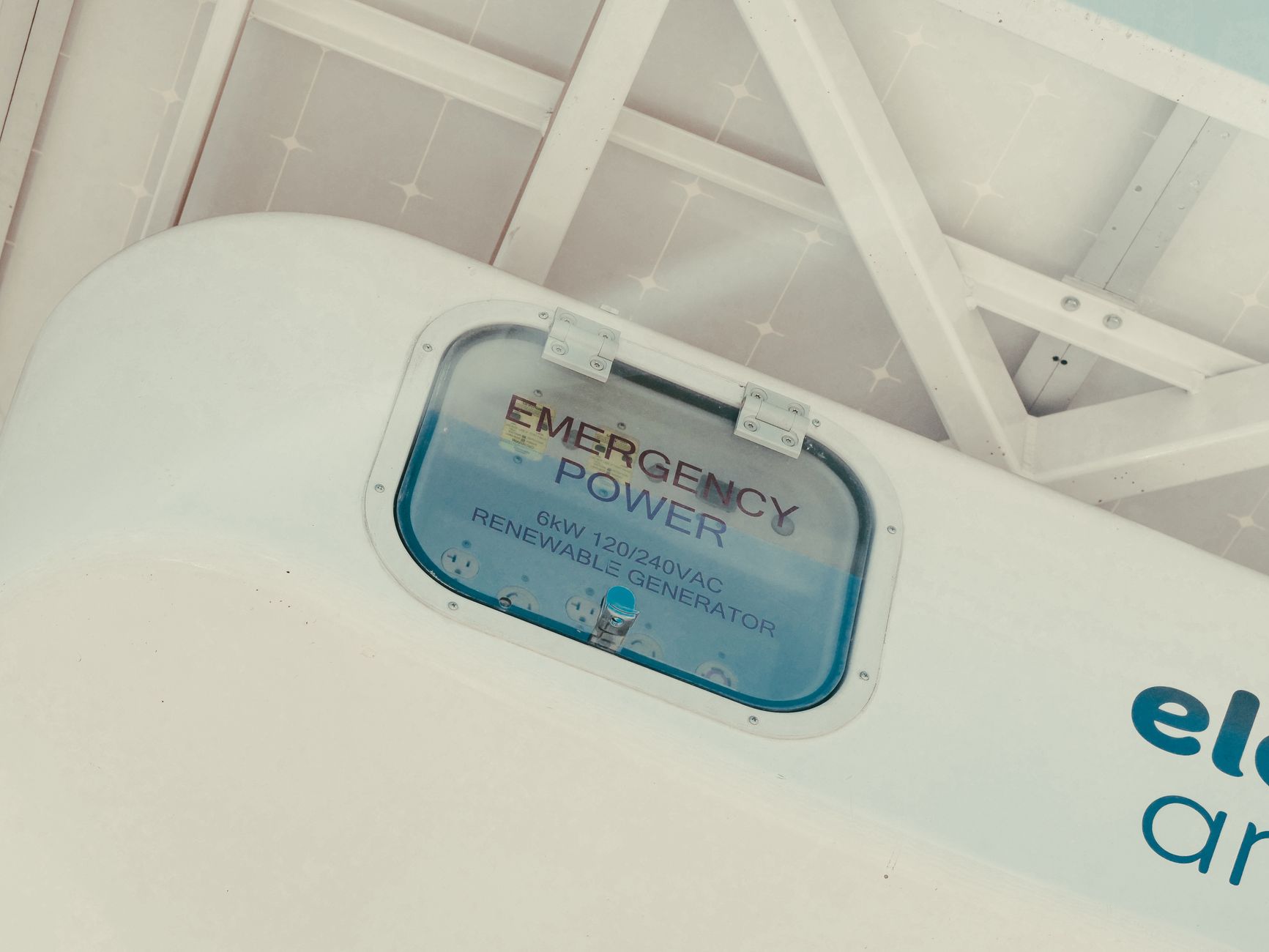
Want to power actual household circuits, like the furnace, well pump or kitchen outlets, instead of running extension cords? A 120/240V-capable unit like the DELTA Pro 3, connected through an electrician-installed transfer switch or power inlet, gets you close to generator-style backup without fuel, fumes or noise. It’s expandable with additional batteries.
Why we like it: 240V support, big capacity, deep ecosystem including smart home panels. Keep in mind: a significant investment, and installation adds cost.
EcoFlow DELTA Pro 3
- 4,096Wh LFP, 4,000W output
- 120/240V capable
- Expandable for multi-day backup
6. Most Output: Anker SOLIX F3800 Plus
With 6,000W of output and 120/240V support, this is for heavier loads like well pumps and larger appliances, and for homes planning a transfer-switch setup.
Why we like it: huge output, 240V, expandable. Keep in mind: big and heavy, and best installed with an electrician.
Anker SOLIX F3800 Plus
- 3,840Wh LFP, 6,000W output
- 120/240V support
- Built for home backup
Power Station vs. Generator vs. Home Battery
| Portable power station | Gas/propane generator | Whole-home battery | |
|---|---|---|---|
| Upfront cost | $500–$5,000 | $600–$15,000 (portable to standby) | $10,000–$20,000+ installed |
| Runs indoors | Yes | Never | Yes (installed) |
| Noise and fumes | Silent, none | Loud, exhaust | Silent, none |
| Multi-day outages | With solar or expansion | Yes, with fuel | With solar |
| Maintenance | Minimal | Oil, fuel, exercise runs | Minimal |
How to Connect a Power Station to Your Home Safely
- Extension cords are the simplest way: run heavy-duty cords from the station to the fridge or sump pump.
- A transfer switch or inlet installed by a licensed electrician lets a 120/240V station power selected circuits safely, with no cords running through the house.
- Never backfeed through a dryer or wall outlet. It’s illegal, dangerous to utility workers and a fire risk.
- Store and charge units indoors at room temperature. Most LFP batteries can’t charge below freezing.
- Test your setup before you need it, ideally twice a year.
Heavy-duty 12-gauge extension cord
If your power station will run a fridge or sump pump across the room, a short, thick cord rated for the load is essential. Thin household cords can overheat.

Frequently Asked Questions
What size power station do I need for home backup?
For a fridge, Wi-Fi and lights during short outages, about 1kWh with 1,500W+ output. For sump pumps or a full day of fridge power, 2kWh or more. For household circuits, a 120/240V system of 4kWh or more.
Can a power station replace a generator?
For short to medium outages, often yes, especially paired with solar. For multi-day outages with heavy loads like central AC, a generator or large battery system is still more practical.
How long do power stations last?
LFP power stations are typically rated for 3,000+ charge cycles before dropping to about 70–80% capacity. For most backup users, that’s many years.
Can I leave a power station plugged in all the time?
Many models support UPS or pass-through mode for continuous use. Check the manufacturer’s guidance, and consider setting a charge limit if your model offers one.
The Bottom Line
For most homes, a 1kWh LFP unit like the EcoFlow DELTA 3 Plus or Anker SOLIX C1000 Gen 2 is the right first purchase. If you need more run time or sump pump power, step up to 2kWh. To back up real household circuits, choose a 120/240V system and call an electrician.